
An SF Democracy Week convening
Innovators & Investors for Democracy Forum
Capital, innovation, and democracy for a flourishing future
Thursday, October 8 · 10:00AM-4:00PM · UC Law SF
A day for funders, family offices, foundations, philanthropic advisors, corporate representatives, civic and civictech entrepreneurs, and civic leaders, to help us figure out how to revitalize our democracy to strengthen our communities, economy, and country.
Cross-partisan by belief and design. Right, left, center, and none of the above. Co-hosted with the Center for Constitutional Democracy at UC Law SF.
Registration is open now. 🎟️ Space is limited and we’re balancing the room across the spectrum and roles, so please register early. Tickets and sponsorships are 501c3 tax deductible. Interested in sponsoring? See the sponsor info or email partner@democracyweek.net.

The Forum is hosted at UC Law SF in the Civic Center, a few minutes from City Hall and BART.
- When
- Thursday, October 8, 10:00AM-4:00PM. Doors open 9:30AM. Reception to follow, 4:00-5:30PM.
- Where
- UC Law SF, 198 McAllister St Room 197, David Faigman Auditorium. Near Civic Center BART.
- Who
- Civic entrepreneurs and leaders, funders, foundations, family offices
- Part of
- SF Democracy Week, Oct 5-11
Getting there
UC Law SF, 198 McAllister St, San Francisco 94102, Room 197 (David Faigman Auditorium). The closest BART and Muni Metro station is Civic Center, a short walk away.
Taking a taxi? Try Fare.coop, a new driver-owned taxi app. Download it and set up an account ahead of time, and plan to arrive early. Signing up through this link also supports Democracy Week.
It’s much harder to build great companies inside a failing country
Every term sheet signed in the Bay Area and across the US relies on things few people think about: functioning courts, fair competition, rule of law, intellectual property rights, public investments in research and education.
Democracy is economic infrastructure, and our market economy is democracy infrastructure. The interplay has enabled the US to be the global leader in innovation and economic growth. Businesses thrive on stable rules, working institutions, and public investments in research, infrastructure, education, and more.
And any democracy needs an economy that delivers enough for enough people that they keep believing in it.
Unfortunately, the foundations of our innovation ecosystem and all our quality of life progress over the last two centuries have been eroding in recent decades: Public education, investment in research, infrastructure, net neutrality, and other enablers of fair competition, good governance, and more.
Rules, resources and business opportunities shouldn’t depend on your alignment with whoever won the last election.
And then there’s AI. We are building it faster than we are building the institutions and norms to live alongside it. On its current path it could hollow out our democracy and leave people disempowered, or worse. Used well, it could give us a democracy that works better than anything we have ever had: better information, better deliberation, better government, at a scale we couldn’t reach before. Many people think we’re currently headed towards further decline and collapse, but that outcome is not preordained. The people funding and building have more say in it than most. Let’s make sure it goes the second way.
We invite you to join us on October 8 to discuss, debate and start building what’s needed so we can build towards having a thriving democracy that supports innovation and human flourishing for years, decades, and generations to come.
Three needs, one day:
Need one
Startup energy in the civic space
Our democracy needs new thinking, creativity, experiments, and innovation, tech and otherwise. The startup mindset could work wonders here, applied with core principles of democracy and effective governance in mind.
Need two
Funding the people rebuilding it
Civic work has a funding problem. Grant cycles are slow, venture returns are hard, and a lot of good work dies in the gap. There’s no better investment right now, philanthropic or for profit, than protecting and revitalizing our democracy.
Need three
A culture shift, at scale
None of this works if civic life stays something most people don’t want to do. We need millions more to vote, show up locally, build tech for democracy, and tech that uplifts our communities, economy and country. Many people think we’re now headed for collapse, but we can change that trajectory and build towards a flourishing future.
What we’re here to do
Three objectives for the day.
- Get aligned on what democracy actually is, and what it could look like with AI, to build towards a north star we should aim for.
- Showcase civic innovations. Approaches, programs, and technologies worth supporting and getting inspired by.
- Strengthen this community of people concerned about democracy and our collective future. Cross-sector and cross-partisan.
Tickets are 501c3 tax deductible, and processed through our fiscal sponsor the California Doughnut Economics Coalition.
Agenda
Fewer panels, more conversations, and a schedule designed to engage all minds in the room. The main session starts at 10:00AM.
- 9:30 AMDoors open. Coffee, name tags, and an introduction to the wall of asks, offers, and ideas.
- 10:00 AMWelcome and house rules. Opening remarks from the hosts, the Chatham House Rule, and invitations for the day.
- 10:40 AMLightning talks, round 1. Democracy as economic infrastructure, and our economy as democratic infrastructure.
- 11:05 AMDiving deeper. Discussion and Q&A on the same theme.
- 11:40 AMBreakouts across the five pillars. Protopian envisioning of our democracy, including with AI. Each group defines key issues, identifies ecosystem partners and innovations that can help, sets ways to measure progress, and names ways to enact change. Groups: Culture of Liberty & Democracy, Economic Liberty & Shared Prosperity, Free Speech & Information Integrity, Free & Fair Elections, A Government That Works, plus an open group on what’s missing.
- 12:20 PMSharebacks. Three minutes from each pillar group.
- 12:45 PMReflection panel. What came out of the breakouts, the ways forward, and how to align funding and scalable impact across nonprofit and for-profit work, with audience Q&A.
- 1:25 PMLunch served. Take a plate to the lightning talks.
- 1:30 PMLightning talks, round 2. Innovative projects, provocations, and invitations, in short intros from civic and democracy builders.
- 1:45 PMLunchtime breakouts. One table per lightning talk, hosted by the speaker, to dig further into each project.
- 2:30 PMUnconference sessions. A quick introduction, then breakouts from 2:40, including a session on funding and investing in civic and democracy innovation. More topics will be added before and during the day, and anyone can propose one.
- 3:20 PMSharebacks from the afternoon breakouts.
- 3:45 PMClosing reflections and invitations toward next steps.
- 4:00 PMReception until 5:30. Drinks, conversation, and a “constitutional poetry” recitation to close the day.
All day: showcase tables, the asks / offers / ideas wall, and art.
Times are approximate and may shift a little on the day.
Groups are invited to come back with draft action plans, so the day ends with something to build on. Projects can apply to get support afterward through the Democracy Accelerator.
Open call for lightning talks and showcase tables. Building something, testing an approach, or have a theory of change worth discussing? Please propose a session or talk (the non-solicitation rule still applies).
The five essential pillars of our democratic republic
We’re organizing part of the day around the five “First Principles” of our democracy, and building towards having a Democracy Impact Assessment that’s a cross-partisan framework built with feedback from across the spectrum, helping us protect and revitalize the essential elements of our country. Select any pillar by name for more details.
Pillar 01 · Culture
A Culture of Liberty & Democracy
Rights that hold up in practice, and neighbors who can disagree and still get things done together.
- Participation: People show up. Voting, volunteering, jury duty, school boards, and local races with more than one name on the ballot.
- Community: People know and support their neighbors. People know and trust each other enough to disagree, still be friends, and support each other to improve their communities.
- Basic rights protected: Speech, assembly, worship, association. These hold up in practice, including for people whose views are unpopular where they live or work.
- Privacy holds. Limits on what gets collected about you and who can demand it later, and clarity and transparency about what does get collected.
- Groups can organize freely. Without being pressured by the powerful interests they criticize.
The measurement work
From a shared framework to a usable score
Under each pillar sit five things we think are the most essential elements, and ones that we think can be measured. That’s the draft Democracy Impact Assessment: 5-7 questions per pillar that let a company, a fund, or a civic initiative see where it stands and what it could do better. Each is scored against written anchors using publicly disclosed evidence. We’re building towards a Democracy Impact Index that compares across organizations.
It isn’t a blacklist. It’s an areas-for-improvement effort, and it runs both ways: if we’re asking a founder what their product does to civic life, the people writing the checks should answer the same question about what they back.
It’s also unfinished, and we’re asking for your help. We’re inviting people, including at this Forum, to help shape what gets measured, and what might be missing. The goal is to have a MECE (mutually exclusive, collectively exhaustive) framework such that if we have all five elements we’ll have a thriving and robust country and democracy, and if any is missing we’ll have an imperfect or partial democracy, or no democracy at all.
If you invest, this framework could help you develop a portfolio that aligns with your values, and helps you achieve your fiduciary duties, since collapsing our democracy will put all our financial endeavors at risk.
Initial Speakers & Conveners
People who have built companies, funded them, run them, and worked in politics on both sides. More being confirmed.
Have something to share, a recommendation of someone we should invite, or want to partner on this effort? Please send us a message.
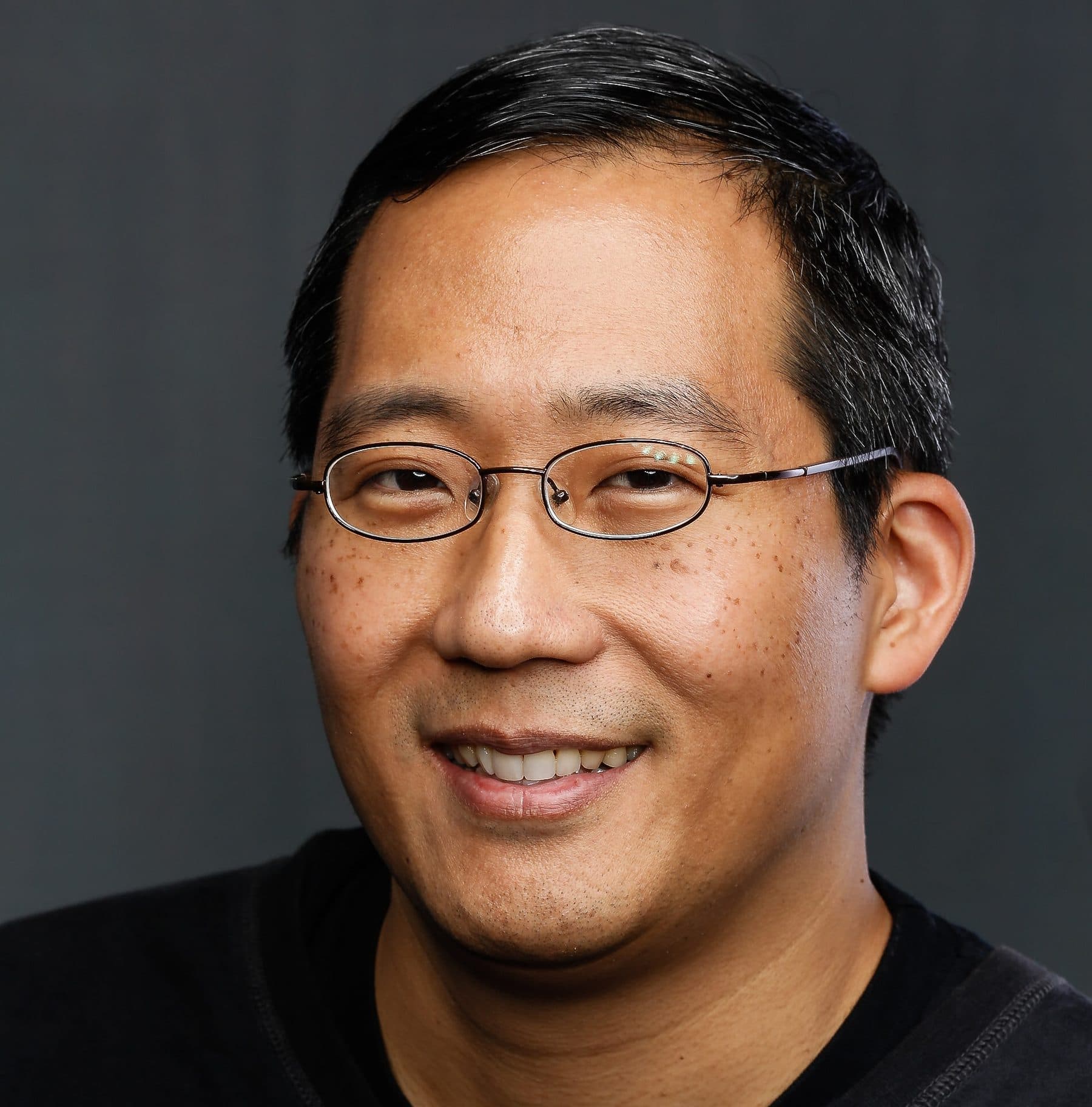
Chris Yeh
Blitzscaling Ventures
Founding General Partner of Blitzscaling Ventures, and co-author of both Blitzscaling and The Alliance with Reid Hoffman. He has founded, advised, or invested in more than 100 startups since 1995.

Peter Lupoff
Beatrice Advisors, Lupoff/Stevens Family Office
Partner at Beatrice Advisors and founder of the Lupoff/Stevens Family Office, after years as a Managing Director at Millennium Management. He teaches impact investing at UC Berkeley’s Haas School, advises students at Harvard Kennedy School, and sits on the board of Investors’ Circle.
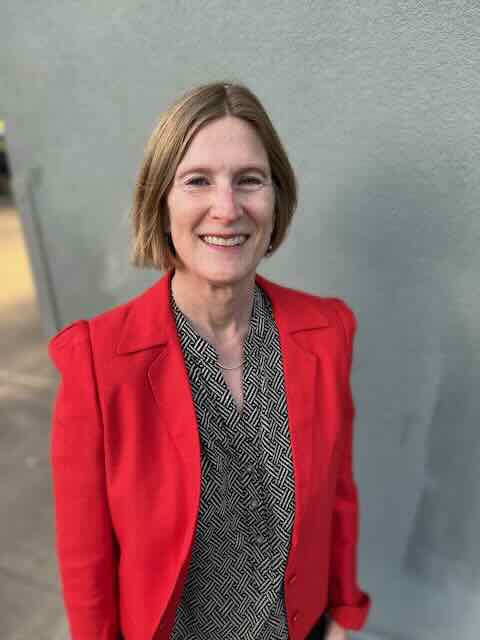
Melissa Hooper
UC Law SF, Center for Constitutional Democracy
ED at the Center for Constitutional Democracy at UC Law SF, our co-host for the Forum. She founded the Rule of Law Action Network at the German Marshall Fund, and previously worked at USAID on combatting democratic backsliding, at Human Rights First, and as a Senior Fellow at the Edley Center for Law and Democracy at Berkeley Law.

Nicole Ozer
ED, Electronic Frontier Foundation
Executive Director of the Electronic Frontier Foundation and a legal expert on AI, privacy and surveillance, and digital speech. She launched the Center for Constitutional Democracy at UC Law SF, our co-host for the Forum, as its inaugural ED, and before that founded and led the Technology and Civil Liberties Program at the ACLU of Northern California.
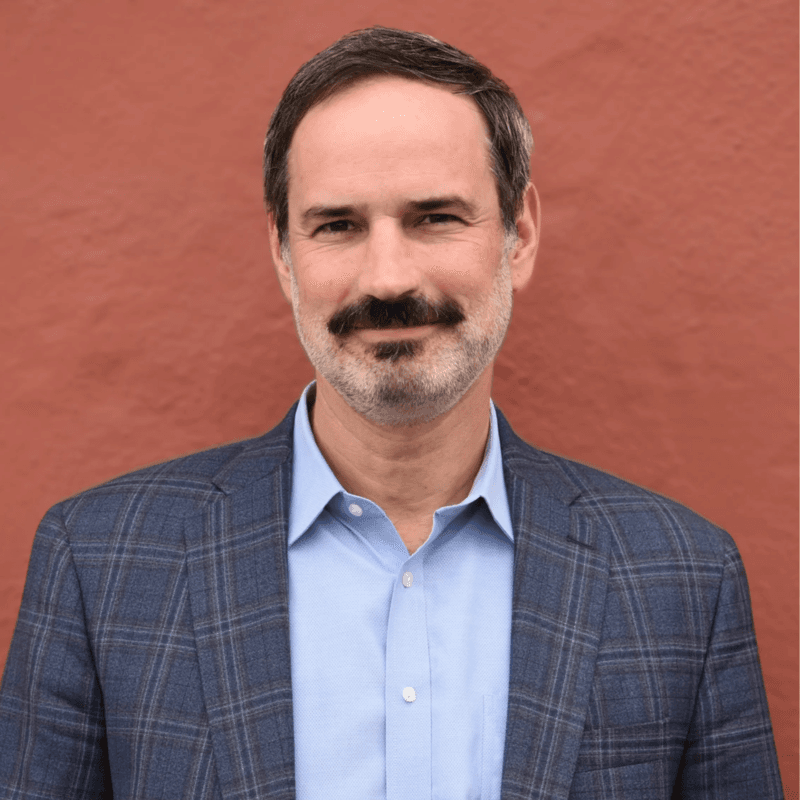
Micah Weinberg
Carnegie California, UC Berkeley Goldman School
Nonresident scholar at Carnegie California, and Senior Strategic Advisor to the Goldman School of Public Policy at UC Berkeley, where he works on its Democracy Policy Initiative. He’s building a new tool for deliberative democratic engagement with the state, and was previously CEO of California Forward.
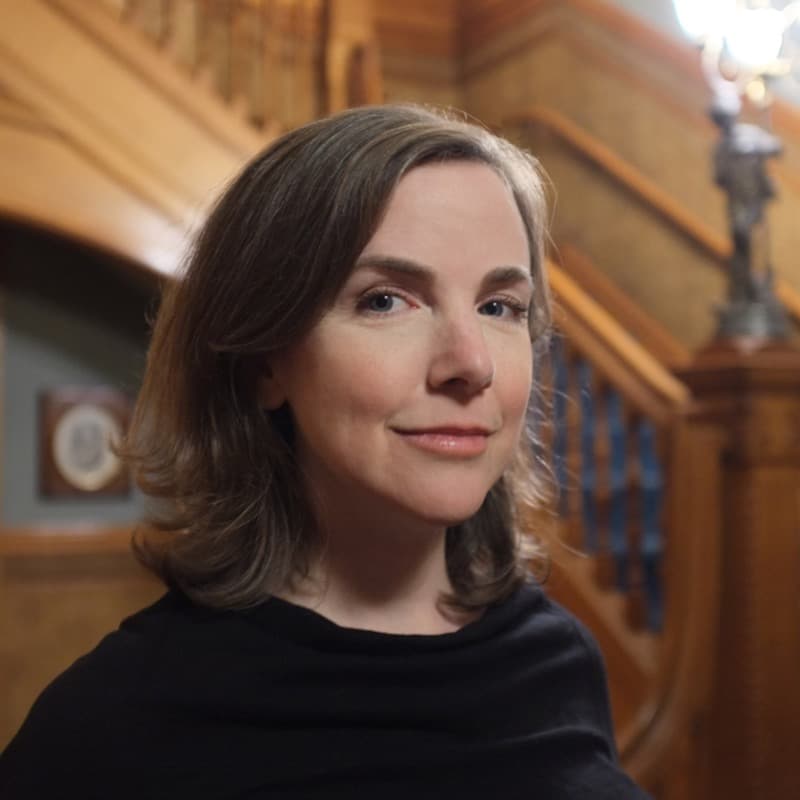
Sarah Bonk
Founder, Business for America
Founder and CEO of Business for America, a coalition of companies and business leaders working on a government that functions. She spent close to 15 years at Apple before starting it.
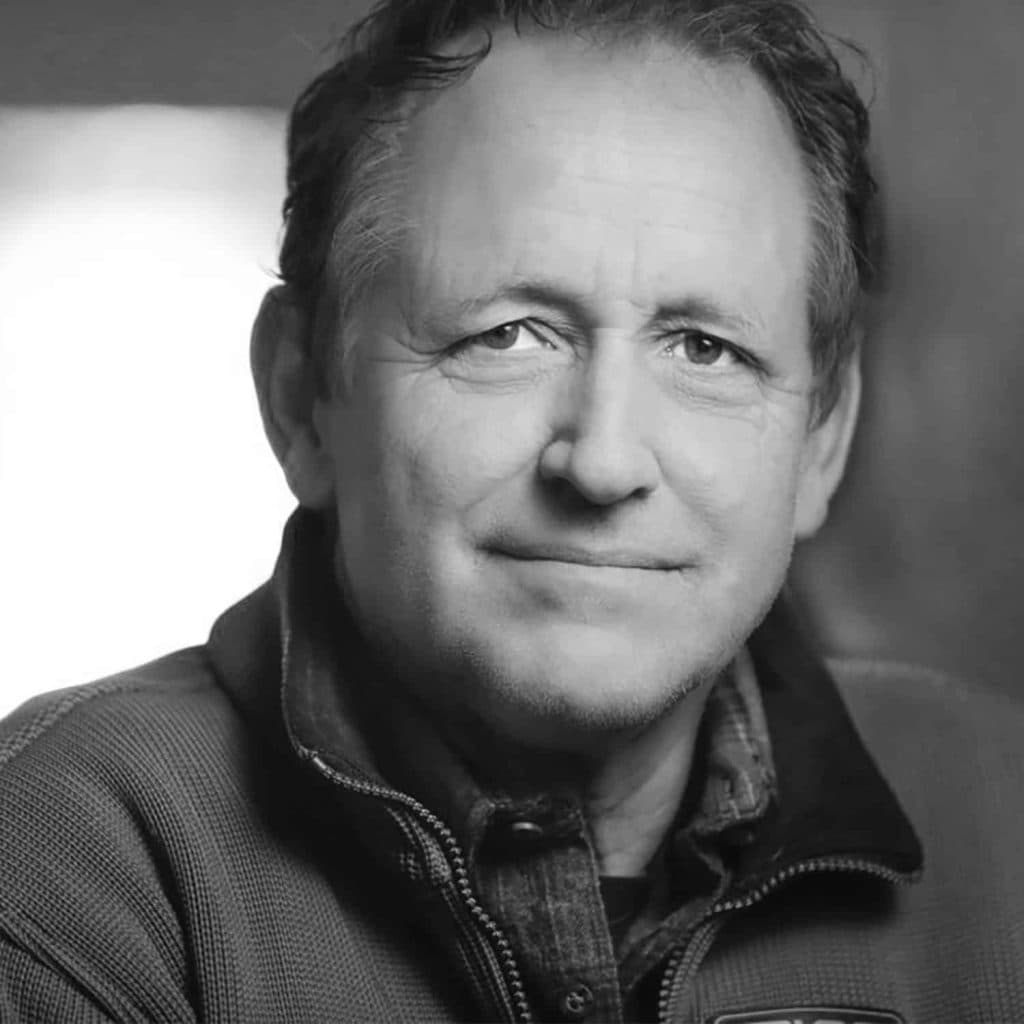
Bill Shireman
Solution Citizen, Circle America
Co-founder of Solution Citizen and Circle America, and a member of the San Francisco Republican Party. He has spent decades getting business, environmental, and political adversaries to build things together.
John Gable
Co-founder, AllSides
Co-founder and CEO of AllSides, which rates media bias and puts left, center, and right coverage side by side. Former Republican strategist for three US Senate Majority Leaders, the RNC, and President George H.W. Bush, and a former Netscape and Microsoft Office executive.
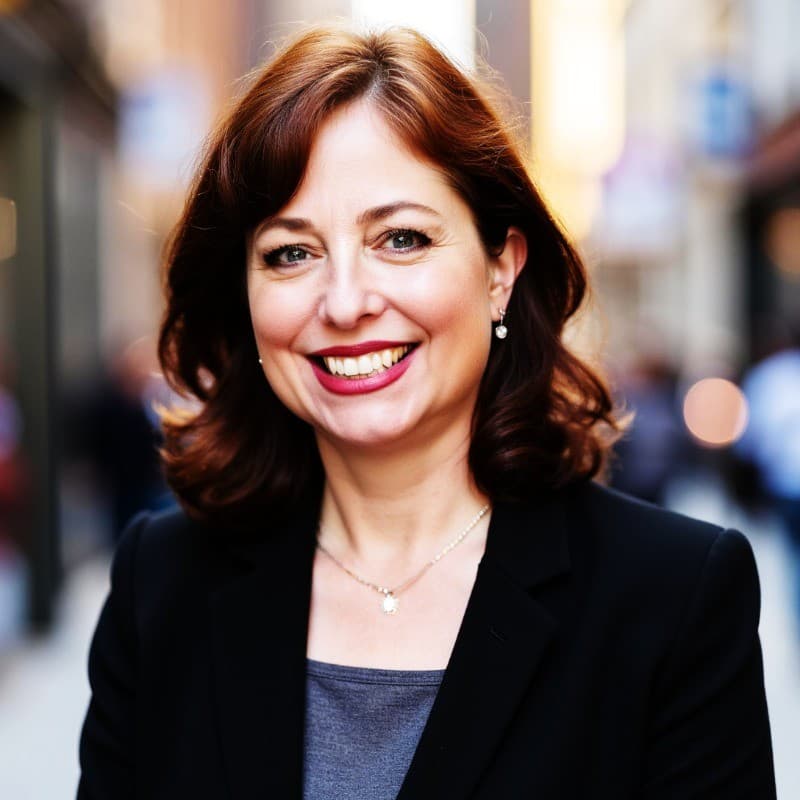
Nicole Garzino
Strategy & Foresight leader
Strategy and foresight leader, advisor, and organizational coach with 20+ years of experience across philanthropy and social impact. Currently Chief Development & Marketing Officer at Braver Angels, leading growth, audience development, messaging, public engagement, and fundraising. Former leader at NorCal Grantmakers and Battery Powered, an innovative SF-based donor-funder collective.
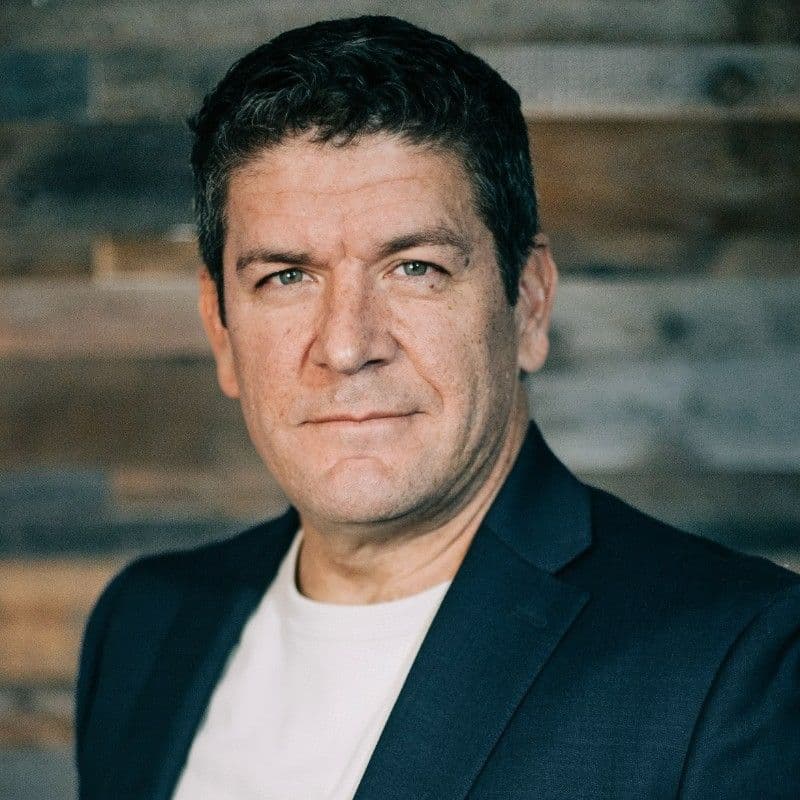
Maury Giles
CEO, Braver Angels
CEO of Braver Angels, the national cross-partisan organization bringing Americans together to bridge the partisan divide through debates, workshops, and local alliances of red and blue members.

Joan Blades
Co-founder, Living Room Conversations
Co-founded MoveOn.org, MomsRising, and Living Room Conversations, which has spent more than a decade building structured ways for people who disagree to talk to each other. Before that she co-founded Berkeley Systems, the software company behind the flying toaster screensaver. She serves on our Political Advisory Board.
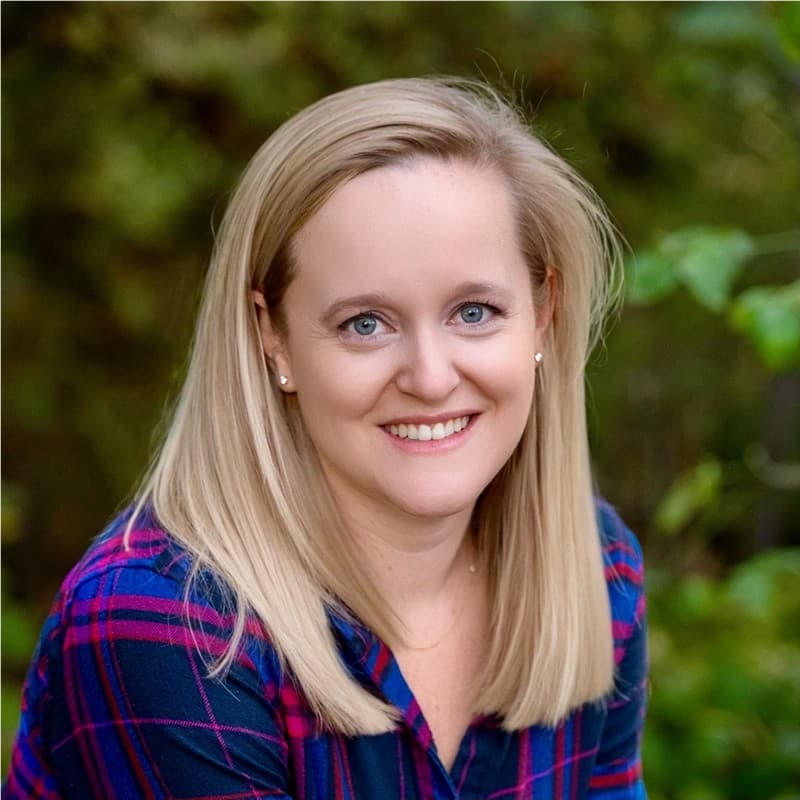
Dusie Cassata
Chief of Staff, Solution Citizen
Chief of Staff at Solution Citizen, the cross-partisan effort co-founded by Bill Shireman that brings people across political divides together to build shared solutions.
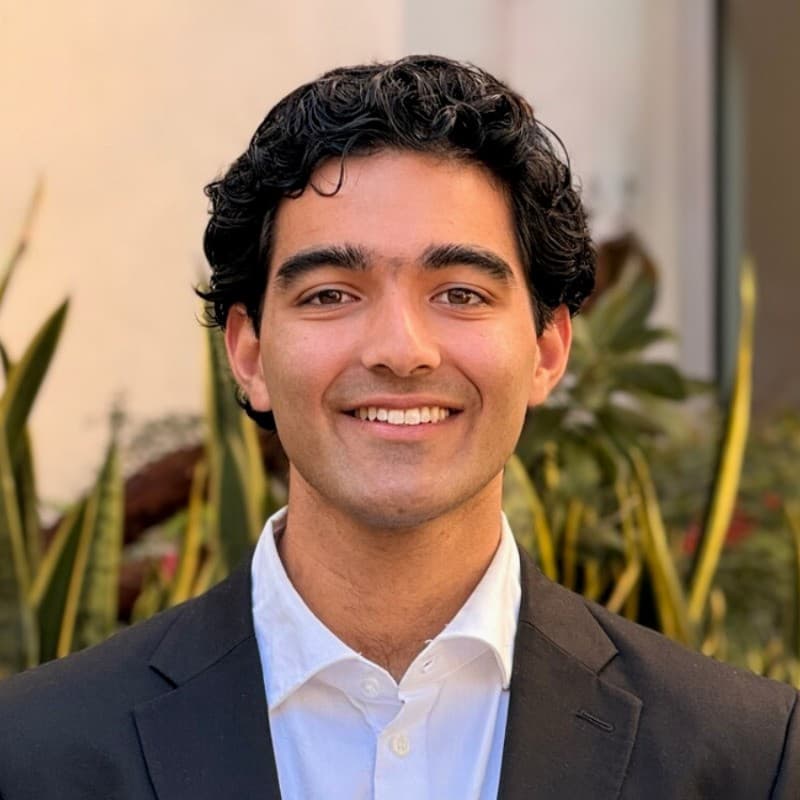
Rehaan Anjaria
Founder, Visic
Founder of Visic, building visual tools that help local governments and residents understand public data. Its first product, CityWise, maps what LA City Council decisions mean for the communities they serve. A computational linguistics student at USC and former co-chair of the Cambridge Youth Council, he is lead organizer of Civic Tech Day on October 16, part of LA Tech Week and LA Democracy Week.

Kia Aliakbar
UC Law SF
On the coordination team of the California Law Student Constitutional Convention.
Medha Maindwal
UC Law SF
On the coordination team of the California Law Student Constitutional Convention.
Sheila Warren
Chair, Advanced AI Society
Chair of the Advanced AI Society, stewarding Proof of Control, a standard for verifiable AI. Previously CEO of the Project Liberty Institute, founding CEO of the Crypto Council for Innovation, and head of blockchain and digital assets at the World Economic Forum, where she also led its Centre for the Fourth Industrial Revolution. Before that she spent over a decade in civic tech, as founding Executive Director of NGOsource and General Counsel at TechSoup.
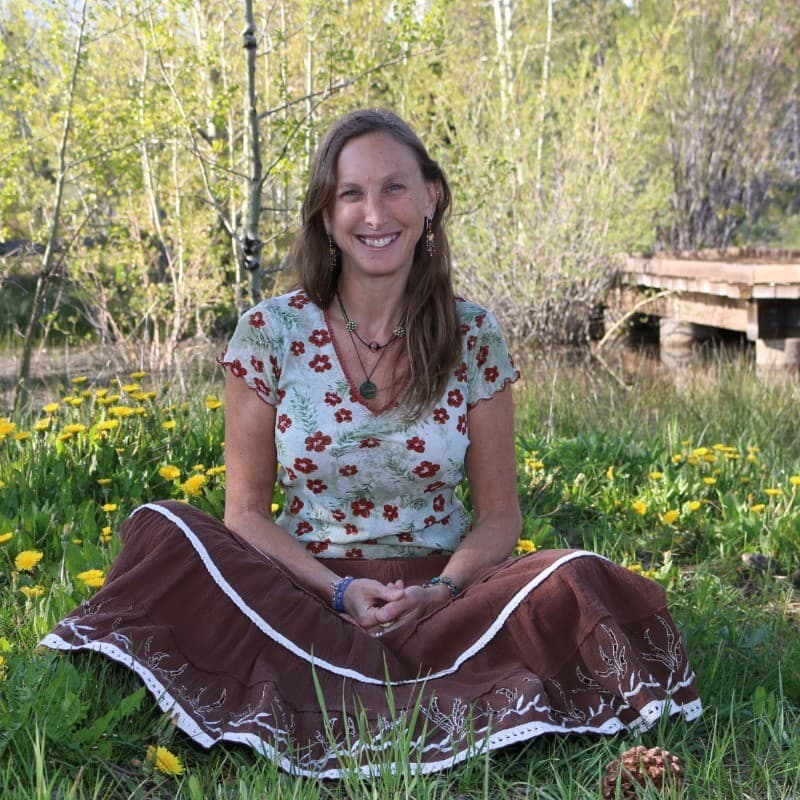
Lara Pearson
Founder, Brand Geek
Trademark and copyright attorney and founder of Brand Geek, one of the first law firms to become a certified B Corp, in 2008, and the first business to become a Nevada benefit corporation. A former board secretary of 1% for the Planet, she also writes constitutional poetry, and will share some at the Forum.
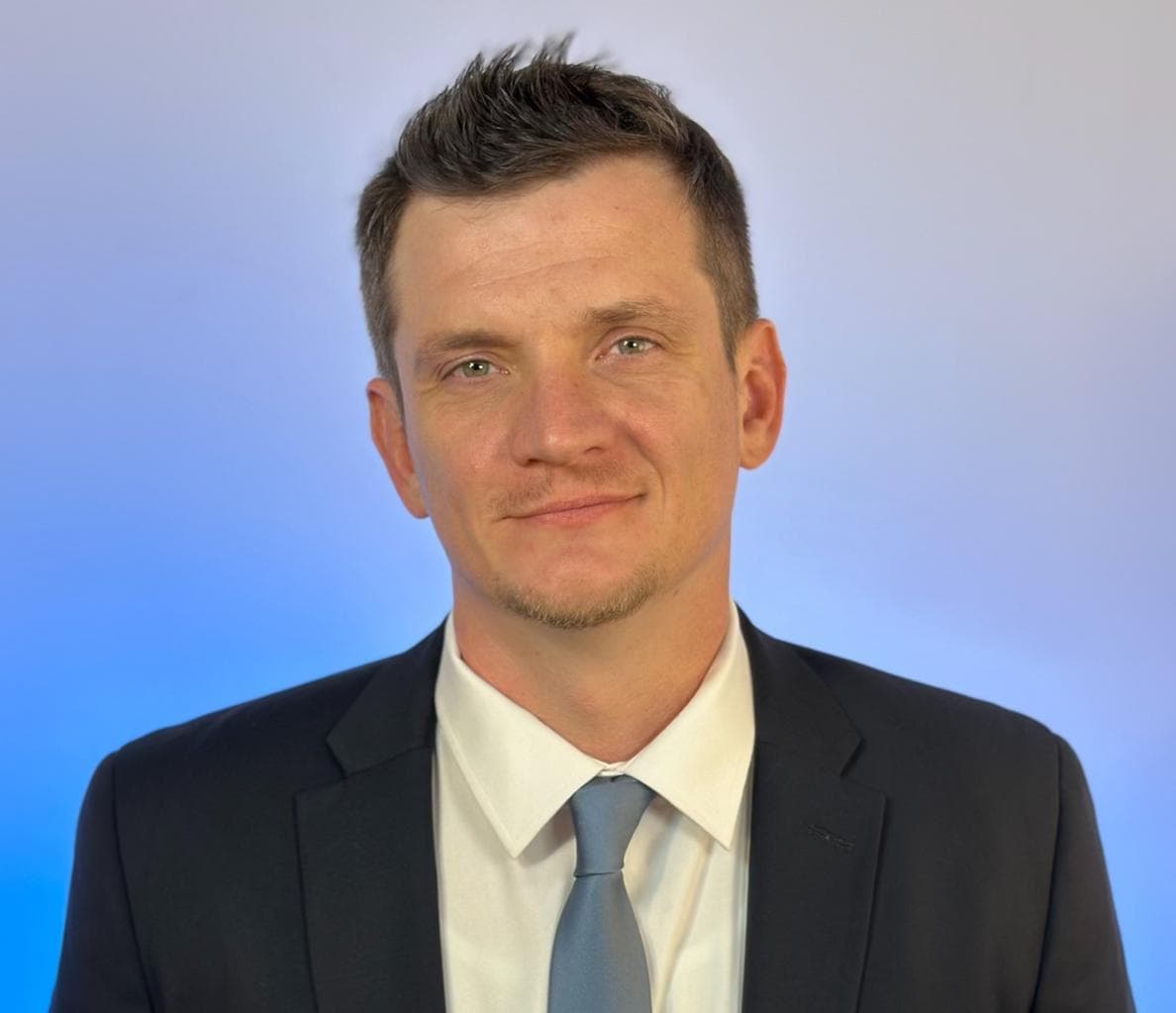
Ryan Rabah
Founder, Independents Win
Founder of Independents Win, a federal PAC backing Independent candidates, and Chair of We The People NC. An attorney and writer on Independent politics and election reform.
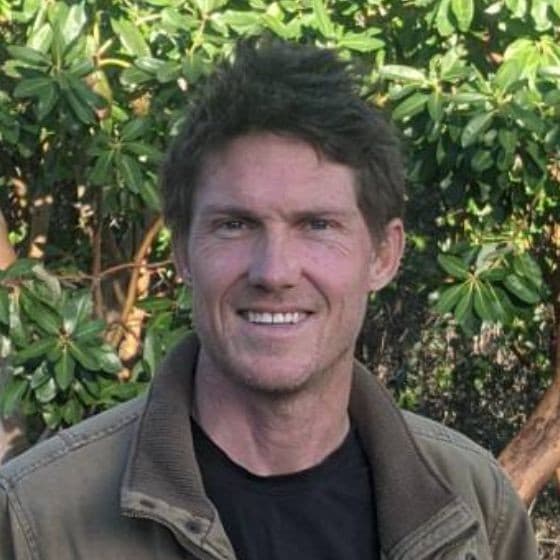
Jesse Katz
Speech Without Borders
Works on free speech and information integrity with Speech Without Borders.
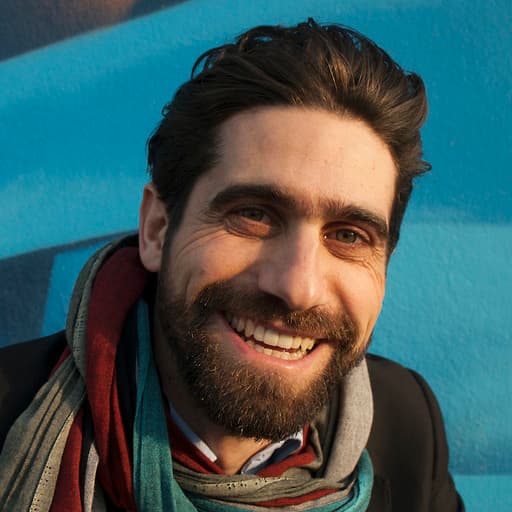
David Nabti
Founder, Democracy Week
Founder of Democracy Week and the Democracy Accelerator. He has spent 20 years building startups, accelerators, and civic organizations; co-organizer of national youth conventions alongside the 2000 Republican and Democratic National Conventions; 2008 delegate for Obama; now part of the cross-partisan pro-democracy “purple movement”.
Want to speak, moderate, facilitate a working group, or suggest someone we should have on stage? Propose a session or tell us.
Cross-partisan from the heart
We’re not trying to get everyone to agree on every policy, but we are trying to align on core cross-partisan first principles to protect and revitalize our democratic republic, and the role that tech, AI and venture capital can play in that. Concentrated power, money distorting elections, gerrymandering, rules that don’t apply to everyone equally, and distorted information systems are real problems in red states, blue states and purple states.
Democracy Week is organized under a nonprofit fiscal sponsor. We don’t endorse candidates or parties. We do encourage everyone to vote, organize, and get involved, wherever you land on the political spectrum, while prioritizing country over party, and people over politics.
We’re building on work already underway across the civic and democracy movement, including our own past events and the people in our partner community. Think we’re off balance or missing something important? Please tell us.
How to take part
Attend
This Forum is for a mix of civic entrepreneurs, civic leaders, funders, and program managers. We want to nurture connections and relationship building in a community of trust, so the Forum will have a non-solicitation rule, and operate under the Chatham House Rule, except for most of the discussions on stage (unless as requested).
Sponsor or Partner
We’re looking for sponsors from across the political spectrum. Sponsorships cover seats for civic organizers and founders who couldn’t otherwise attend. Sign up below, or email partner@democracyweek.net.